



What Ice, Snow, & Freeze–Thaw Cycles Are Doing to Your Siding (and What Homeowners Should Watch For)
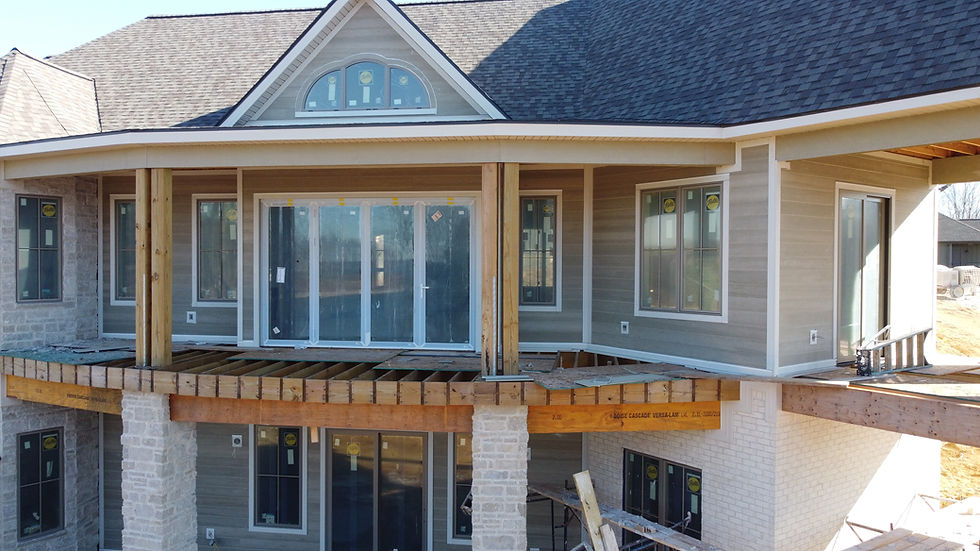
After weeks of ice, snow, and bitter cold, the weather is finally starting to break. But as everything begins to melt, many homeowners across Western Kentucky and Northwest Tennessee are noticing new problems on their homes—especially with their siding.
This isn’t a coincidence.
Freeze–thaw cycles are one of the toughest tests your home’s exterior can face.
Damage often doesn’t show up during the storm, but after the snow and ice start to melt. That’s when moisture moves, materials shift, and hidden issues finally become visible.
Here’s what homeowners should know, what to watch for, and when it’s time to call in the experts.

Why Freeze–Thaw Cycles Are So Hard on Siding
When snow and ice sit on your home for weeks, moisture finds its way into tiny seams, joints, and gaps in your siding. As temperatures rise and fall:
Ice expands when frozen
Water seeps behind siding as it melts
Materials contract and expand repeatedly
Fasteners loosen
Panels crack, warp, or pull away
This process puts enormous stress on siding systems—especially older or weather-worn materials.

Common Siding Problems Showing Up Right Now
As the ice melts and turns into slush, homeowners are seeing issues like:
Cracked or brittle siding panels
Warped or buckled vinyl siding
Loose corners, trim, or J-channel
Gaps forming near windows and doors
Moisture stains on interior walls
Musty smells or damp insulation
Drafty rooms that weren’t drafty before
Many of these problems were hidden while snow covered the exterior. Once things thaw, the damage reveals itself.

Why Melting Ice Can Be Worse Than the Snow Itself
Snow sitting on siding is one thing. Melting ice is another.
As ice melts:
Water is forced into seams and behind panels
Slush builds up at the base of walls
Ice falling from roofs can pull siding loose
Moisture becomes trapped behind siding
Trapped moisture is dangerous because it can lead to:
Rot in wall sheathing
Mold growth
Reduced insulation performance
Long-term structural damage
Ignoring these early warning signs can turn a manageable repair into a much larger project.

How Damaged Siding Affects Heat and Energy Bills
Siding plays a major role in how well your home holds heat. When siding is damaged or compromised:
Cold air enters your walls
Insulation becomes damp and less effective
Your HVAC system runs longer
Energy bills stay high—even as temperatures improve
If your home still feels cold after the weather breaks, siding damage could be a major reason.

Repair vs. Replacement: What Makes Sense?
Not all siding problems mean full replacement—but some do.
Siding Repairs May Be Enough If:
Damage is isolated to one area
Panels are otherwise in good condition
Moisture hasn’t spread behind the wall
Siding Replacement Is Often the Better Option If:
Cracking or warping is widespread
Multiple sections are loose or brittle
Siding is older and failing in several places
You want better energy efficiency and curb appeal
A professional inspection helps determine the right solution, not just the quickest one.
What Homeowners Should Do Right Now
As conditions improve, homeowners can safely:
Walk around the exterior of the home
Look for loose, cracked, or missing panels
Check corners and trim for gaps
Pay attention to new drafts or interior moisture
⚠️ Do not try to snap siding back into place or remove panels yourself—this can cause more damage.

When to Call the Experts
You should schedule a professional siding inspection if you notice:
Visible siding damage or gaps
Drafts that appeared after winter
Moisture or stains on interior walls
Siding pulling away near windows or doors
Catching these issues early can save thousands in future repairs.
A Perfect Time to Upgrade Your Siding
If your siding has been damaged—or is simply showing its age—this is an excellent time to upgrade.
At True Line Roofing, we offer several high-quality siding options to fit your home, style, and budget:
Mastic® Vinyl Siding – durable, low maintenance, and energy-efficient
Hardie® Fiber Cement Siding – strong, weather-resistant, and timeless
Diamond Kote® – premium performance with long-lasting color protection

New siding not only protects your home but also:
Improves comfort
Lowers energy bills
Boosts curb appeal
Increases home value
Financing Available — Even with Low Credit
Worried about cost? You’re not alone—and you have options.
We offer financing programs, including options that work even if your credit isn’t perfect. That means you don’t have to wait to protect your home or improve comfort.
Schedule Your FREE Home Inspection Today
At True Line Roofing, we provide FREE home inspections to help homeowners understand exactly what’s going on with their siding—no pressure, no guesswork.
We’ll inspect:
Siding and trim
Moisture intrusion points
Insulation concerns
Related gutter or exterior issues
Then we’ll walk you through your options clearly and honestly.
Family-owned. Co-veteran-owned. Local you can trust.
📞 Call or text 270-978-0239 to schedule your FREE inspection
📍 Serving Western Kentucky & Northwest Tennessee

Final Thought
Winter weather doesn’t always cause damage—it reveals it. If your siding is showing signs of stress after weeks of ice and snow, now is the time to act.
A free inspection today can prevent bigger problems tomorrow—and help you start fresh with an exterior built to handle whatever weather comes next.


Comments