



Cold Snap Checklist: What Homeowners Should Watch for—and When to Call the Experts

Sudden cold snaps—especially the kind we see in Western Kentucky and Northwest Tennessee—can stress your home in ways that aren’t always obvious at first. When temperatures drop fast (like going from the 60s or 70s to below freezing overnight), materials expand and contract, seals fail, moisture freezes, and small issues can quickly turn into expensive damage.
This guide walks you through what to look for during a cold snap, why it matters, and when it’s time to call in a professional for a home inspection.
Why Cold Snaps Are Hard on Homes
Rapid temperature drops don’t give your home time to adjust. Roofing materials, siding, window seals, flashing, and sealants all react differently to cold. Add wind, rain, snow, or ice to the mix, and weak points get exposed fast.
Cold snaps commonly cause:
Roof leaks and flashing failures
Ice dams and trapped moisture
Drafty rooms and heat loss
Rising electric bills
Condensation, mold risk, and wood rot
Catching these issues early can mean a simple repair instead of a major replacement.

1. Roof Warning Signs to Watch For
Your roof is your first line of defense—and cold weather is excellent at revealing problems.
Exterior Signs
If it’s safe to look from the ground:
Missing, lifted, or crooked shingles after wind
Debris in the yard (shingle pieces, metal flashing)
Ice buildup along the eaves
Gutters pulling away or overflowing
Interior Signs
Inside your home, pay attention to:
Water spots or stains on ceilings or walls
Dripping during rain or snow melt
Damp attic insulation or musty smells
Frost on roof decking or nails in the attic
⚠️ When to call the experts:If you see any water intrusion, even a small stain, it’s time for a professional inspection. Cold-weather leaks rarely fix themselves—and freezing temps can make them worse.

2. Ice Dams: The Silent Winter Problem
Ice dams form when heat escapes into the attic, melts snow on the roof, and refreezes at the eaves. Water backs up behind the ice and can leak under shingles.
Signs of Ice Dams
Thick ice at the roof edge
Icicles forming along gutters
Water stains near exterior walls
Cold rooms directly under the roof
Ice dams are not just a gutter problem—they’re usually caused by ventilation, insulation, or flashing issues.
⚠️ When to call the experts:If ice dams appear or reappear each winter, a roofing professional should inspect ventilation, insulation balance, and roof details.

3. Windows: Where Heat Often Escapes First
Windows are one of the biggest contributors to heat loss during cold snaps.
What to Watch For
Cold drafts near windows
Condensation between panes (seal failure)
Foggy glass or moisture buildup
Rooms that are consistently colder than others
Whistling or rattling during high winds
Failing window seals force your HVAC system to work harder, increasing electric bills.
⚠️ When to call the experts:If drafts or condensation persist, it’s time for a window inspection. Properly installed, energy-efficient windows can dramatically improve comfort and reduce winter energy costs.
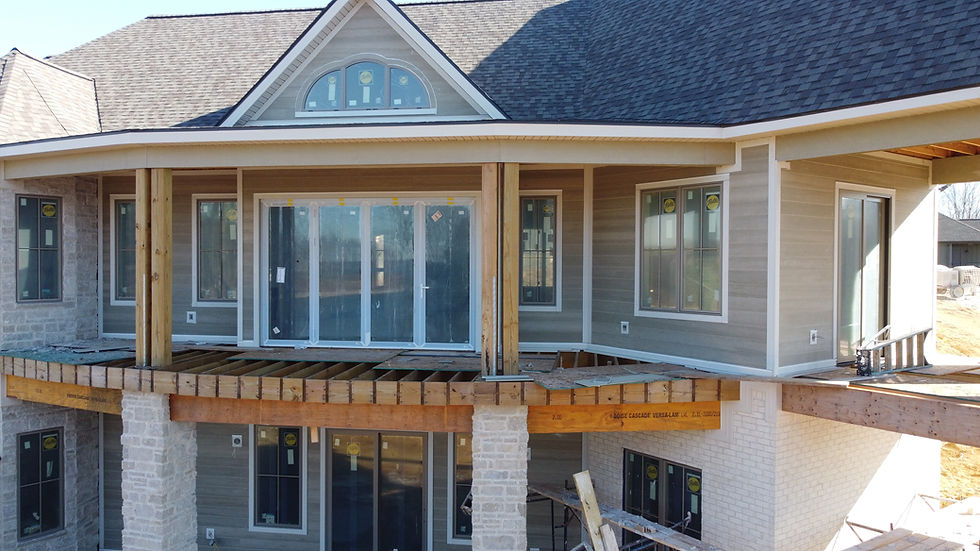
4. Siding & Exterior Trim: Small Gaps, Big Problems
Cold snaps can cause siding panels and trim to contract, opening gaps where air and moisture get in.
Warning Signs
Loose or warped siding panels
Gaps around trim or corners
Moisture or staining on interior walls
Increased indoor drafts
Moisture behind siding can freeze, expand, and lead to rot or mold when temperatures rise again.
⚠️ When to call the experts:If siding is loose, cracked, or pulling away—or if you notice unexplained interior moisture—an exterior inspection is critical.

5. Gutters & Drainage in Freezing Weather
Gutters don’t just manage rain—they play a big role in winter protection.
Cold Weather Issues Include
Ice buildup in gutters
Water backing up onto fascia or under shingles
Frozen downspouts causing overflow
Icicles forming where they shouldn’t
Improper drainage can force water into places it never belongs.
⚠️ When to call the experts:If gutters are pulling away, leaking, or icing repeatedly, a professional should inspect alignment, attachment, and roof edge details.

6. Rising Energy Bills: A Red Flag
If your electric or heating bill spikes during a cold snap, it’s often a sign of:
Air leaks through windows, doors, or siding
Poor attic insulation or ventilation
Roof or exterior envelope issues
High bills aren’t just about energy—they often signal hidden problems.
⚠️ When to call the experts:If bills rise sharply without a change in usage, an exterior inspection can pinpoint where heat is escaping.

When You Should Call for a Professional Home Inspection
You don’t need to wait for visible damage. Call for a professional inspection if:
You notice any leaks, stains, or moisture
Drafts suddenly appear after a cold snap
Ice dams or heavy icicles form
Wind-driven rain causes concerns
You want peace of mind before hosting family
A professional inspection looks at roofing, flashing, ventilation, siding, windows, and drainage together—because all these systems work as one.

Why Professional Inspections Matter in Winter
Cold weather can mask problems temporarily—or make them worse. Professionals know where failures start, how materials behave in freezing temperatures, and what fixes are permanent versus temporary.
A good inspection provides:
Clear documentation of issues
Honest recommendations (repair vs. replacement)
Protection against further damage
Confidence your home is winter-ready

Final Thoughts: Don’t Let a Cold Snap Catch You Off Guard
Cold snaps don’t create problems—they expose them. Acting early can save thousands in repairs and keep your home comfortable and efficient all winter long.
If you’re unsure whether your home is holding heat properly, or if recent weather raised concerns, now is the right time to have it checked.
Free inspections can help you catch small issues before they become big ones—and give you peace of mind when it matters most.
Ready for Peace of Mind This Winter?
Cold snaps don’t create problems—they expose them. If you’ve noticed drafts, leaks, ice buildup, or rising energy bills, now is the time to act.
At True Line Roofing, we provide FREE, no-pressure inspections to help homeowners understand exactly what’s going on with their roof and exterior—no scare tactics, no guesswork.
Our inspections include:
Roof shingles, flashing, valleys, and penetrations
Attic ventilation and moisture checks
Windows, siding, and exterior trim
Gutters and drainage concerns related to ice and snow
If we find an issue, we’ll clearly explain whether it needs a repair or if a full replacement makes more sense—so you can make an informed decision.
Family-owned. Co-veteran-owned. Local you can trust.
📞 Call or text 270-978-0239 to schedule your FREE inspection📍 Serving Western Kentucky & Northwest Tennessee


Comments